Moving into a first apartment feels easier with a clear plan. This first apartment checklist helps renters set dates, review lease tasks, gather supplies, pack safely, prepare the building, and settle in. A simple order of tasks can prevent missed details and reduce stress on moving day.
Table of Contents
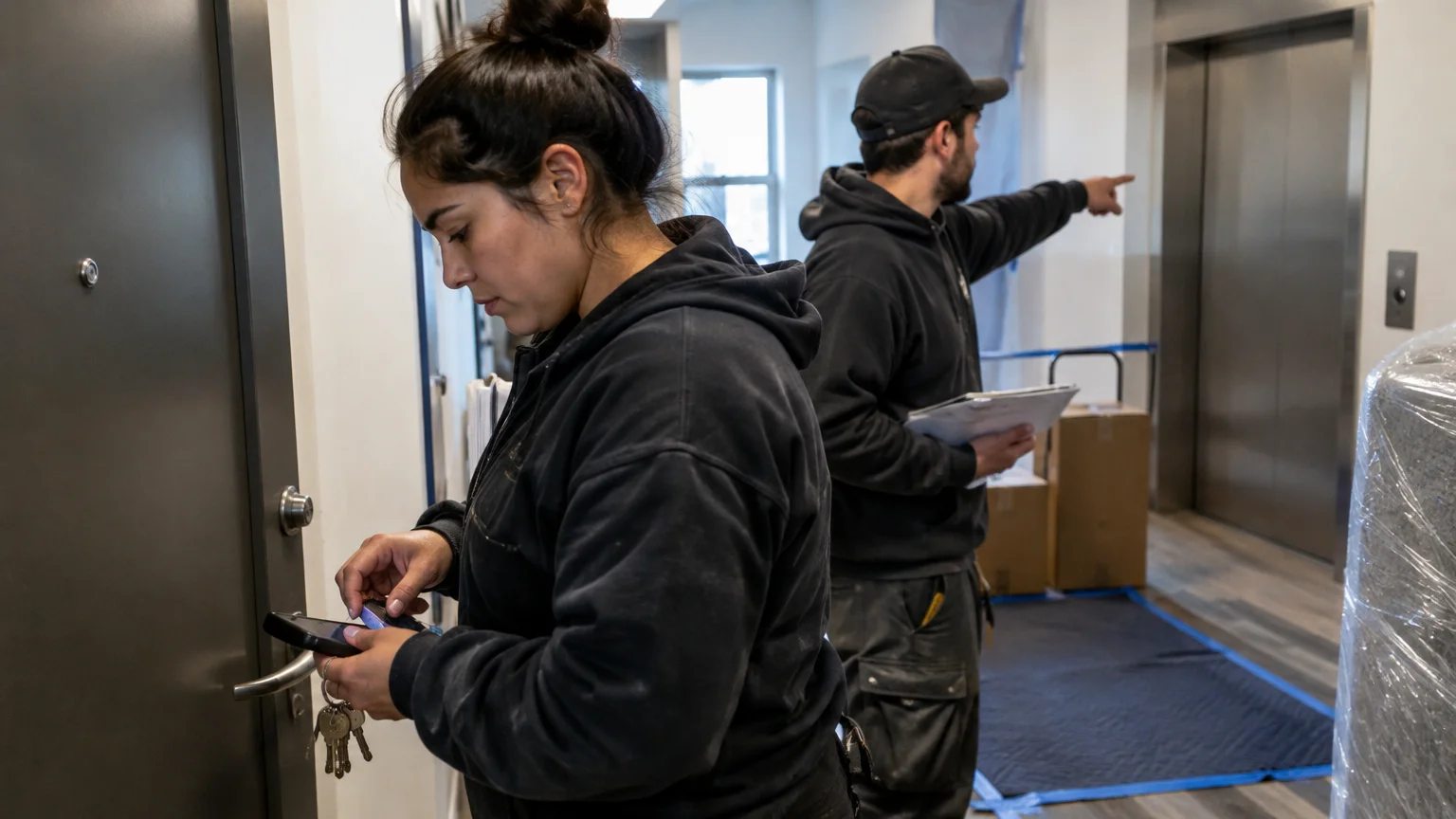
- What should you do first when moving into your first apartment?
- What should be on a first apartment checklist before moving day?
- What do you need to buy for your first apartment?
- How should you pack for your first apartment move?
- How can you make moving day easier in an apartment building?
- What should you do when you arrive at your first apartment?
- When should you hire professional movers for your first apartment?
- Frequently Asked Questions
- Key takeaways
- Conclusion
What should you do first when moving into your first apartment?
The first steps are to set the move-in date, read the lease, and make a simple plan. These steps guide the rest of the move. They also show what must be done before the truck or car reaches the apartment.
Set your move-in date, budget, and priorities
Write down the confirmed move-in date first. Then list the jobs that must be done before that date. These may include giving notice at your current home, asking for help, cleaning, and picking up the keys.
Your basic budget should include moving help, boxes, travel, utility setup, home goods, and meals. It does not need to be exact at first. It only needs to show which needs come first and which purchases can wait.
Measure large items before moving them. Check the sofa, bed, tables, and bookshelves. Then measure doors, halls, stairs, and elevators. This helps prevent a large item from entering the building but not fitting inside the apartment.
Leave room for delays in your plan. Traffic, a narrow arrival time, or a slow elevator can change the day. A short and clear moving checklist gives you more time to deal with changes.
Confirm lease details and building requirements
Your lease may list move-in hours, key pickup rules, parking rules, and building contacts. Some buildings need a move reservation or proof of insurance. Others limit elevator use during busy hours.
Ask the property manager about loading areas, stairs, elevators, door codes, and carts. Confirm whether movers must check in at an office. Also ask where boxes and packing waste should go after the move.
Wilmington Movers can help renters think through the practical parts of an apartment move. The best plan depends on the building, the number of items, and the distance between doors. Planning early makes it easier to choose between moving yourself and hiring help.
What should be on a first apartment checklist before moving day?
A useful first apartment checklist includes documents, supplies, utilities, insurance, and building access. These tasks do not go into a box, so they can be easy to miss. Finishing them early helps the new home work well on the first night.
Gather essential documents and supplies
Keep important papers in one small folder or bag. Keep this bag with you instead of placing it in the moving truck. It may hold the lease, identification, key details, insurance records, moving notes, and payment records.
Keep basic moving supplies close by. You may need boxes, strong tape, labels, markers, packing paper, scissors, cleaning cloths, and trash bags. A small tool kit can help with loose handles, simple furniture parts, and wall hooks.
Take extra care with the first-night bag. Pack clothing, medicine, toiletries, chargers, towels, bedding, snacks, water, paper plates, and a flashlight. These items keep you from opening many boxes after a long day.
Arrange utilities, renters insurance, and internet
Ask when electricity, water, gas, and internet service will begin. Some services start on the lease date. Others need a visit from a worker. Write down account details and keep confirmation messages in your moving folder.
Renters insurance can protect personal items under the policy rules. It may also cover some losses or liability events. Coverage can vary, so read the policy and ask questions before you depend on it.
Internet service may need early planning. Appointment times can fill fast near the start of a school term. If service will not be ready, plan another way to work, study, or contact family.
Before leaving your old home, update records and mailing details. Tell trusted contacts about the new address. These small steps help bills, notices, and deliveries reach the right place.
What do you need to buy for your first apartment?
A first apartment needs useful basics, not every item in a store. Focus first on sleep, food, bathing, cleaning, and safety. Extra decor and special tools can wait until you learn how the space works.
Prioritize bedroom, bathroom, and kitchen essentials
The bedroom needs a bed or sleeping surface, sheets, a blanket, and a place for clothes. The bathroom needs towels, toilet paper, soap, a shower curtain if needed, and basic cleaning supplies. These items make the first evening more comfortable.
The kitchen can begin with a small set of plates, bowls, cups, forks, spoons, knives, one pan, one pot, and simple food tools. When packing dishes, wrap each piece and put heavier items at the bottom of a strong box. Add padding between bowls so they do not rub or crack.
A small safety kit should include working batteries, a first-aid kit, a fire extinguisher if the home lacks one, and basic light bulbs. Learn where the breaker panel, water shutoff, and emergency exits are located.
Cleaning supplies also matter on day one. A broom, dustpan, multipurpose cleaner, sponges, laundry soap, and paper towels can handle most early needs. Add special products only when a real need appears.
Decide what to buy now and what can wait
Buying everything at once can fill a small apartment and strain your moving budget. First, check what the lease, roommates, family, or apartment already provides. Then sort items into three groups: needed now, useful soon, and optional later.
Extra chairs, large shelves, decorative pieces, and special kitchen tools can wait. Waiting gives you time to measure rooms and see where storage is limited.
Decluttering before the move helps keep the first apartment open and easy to clean. Donate, recycle, sell, or safely discard items that do not fit your new home. For larger loads, a moving team may also help with sorting and transport.
How should you pack for your first apartment move?
Packing works best when you sort items before choosing boxes. Each box should hold items from one room or one clear group. Good labels and careful dish packing make unpacking safer and faster.
Sort belongings before putting them in boxes
Start with items you do not use each day. Seasonal clothing, books, decor, and spare linens are often good early choices. Pack daily items during the last few days.
Use four simple groups: keep, donate, recycle, and discard. The keep group should match the apartment’s size and your needs. This is a good time to remove broken items and duplicates.
Use small boxes for books and other heavy items. Use medium boxes for kitchen goods and clothing. Light items can fill larger boxes, but no box should be too heavy for one person to lift safely.
When you pack dishes for moving, wrap each one in paper or a soft towel. Place plates on their sides instead of stacking them flat. Fill empty spaces with padding. Wrap glasses one at a time and place them upright with padding around the sides. This method also helps when you need to pack dishes for shipping.
Label and organize boxes for an easier unpacking process
Write the room, main contents, and handling note on more than one side of each box. A label such as “kitchen—plates” is more useful than “miscellaneous.” Use a bright mark for boxes needed on the first night.
Keep a short box list on paper or on your phone. It does not need every item. It can show the number of boxes in each room and point out fragile or urgent items.
Load the truck or car with a plan. Keep heavy boxes low and near the front. Use soft items to fill gaps. Protect fragile boxes from pressure. Keep documents, medicine, keys, and valuables with you.
How can you make moving day easier in an apartment building?
Apartment moving day is easier when access is confirmed before arrival. Elevator time, parking, loading space, and building rules can affect the full schedule. Protecting shared areas also helps prevent damage and conflict.
Reserve elevators, parking, and loading access
Ask the property manager how to reserve the elevator. Confirm the time, entry door, loading zone, and any needed paperwork. Share these details with everyone who will help with the move.
Check parking rules before the vehicle arrives. A legal loading spot close to the entrance can save many trips. If street space is limited, plan a backup spot and allow time for a safe walk between the vehicle and building.
Keep keys, access codes, and contact details easy to reach. Helpers should know who can open the building, where the unit is located, and what to do if the elevator is busy.
Protect floors, walls, furniture, and shared spaces
Use furniture pads, corner guards, and floor coverings where the building allows them. Move slowly through narrow halls. Watch for door frames, sprinkler heads, mirrors, and light fixtures. Two people should guide large items through turns.
Do not block fire exits, hallways, ramps, or doors. Keep boxes inside the apartment or in an approved staging area. Clean up tape, cardboard, and packing paper as the move continues.
A professional Apartment Movers team may help with stairs, elevators, tight turns, and heavy furniture. Local Movers can also help with a short move in the Wilmington area, including Sunset Park, Forest Hills, Leland, Wrightsville Beach, Carolina Beach, Navassa, and nearby communities when building access is hard.
What should you do when you arrive at your first apartment?
The first arrival tasks are checking the apartment, recording its condition, and setting up basic daily needs. A careful inspection protects your records. A small setup plan makes the new space useful before every box is unpacked.
Complete the move-in inspection and document existing damage
Before placing furniture against walls, walk through each room. Check floors, walls, ceilings, doors, windows, cabinets, appliances, sinks, and fixtures. Look for marks, cracks, stains, loose handles, and signs of water damage.
Take clear photos and videos, with the date saved when possible. Send the required report to the property manager by the lease deadline. Keep a copy with the lease and other move-in papers.
Do not assume an old mark is already recorded. A written note can prevent confusion later. Test keys, lights, outlets, smoke alarms, and locks. Report problems through the proper building process.
Set up safety, utilities, and daily essentials
Place the first-night bag where you can reach it. Set up the bed, bathroom supplies, phone chargers, and a small food area. This gives you a place to rest before unpacking is complete.
Check that utilities work as expected. Learn the locations of emergency exits, the breaker panel, water shutoff, mail area, and trash area. If the apartment has gas appliances, follow the manager’s safety instructions and report concerns quickly.
Unpack by need, not by perfect room order. Start with sleeping, bathing, eating, and work items. The rest can wait until you learn how the apartment feels and where things belong.
When should you hire professional movers for your first apartment?
Professional movers may help when a move includes heavy furniture, stairs, long carries, limited time, or fragile items. Compare the effort and risks of doing the work alone. The choice should fit the building, belongings, schedule, and comfort level.
Compare the time, effort, and risk of moving yourself
Moving yourself may suit a small load, a nearby apartment, and willing helpers. You still need a vehicle, packing supplies, lifting ability, driving time, and a plan for stairs or tight spaces. Heavy furniture can cause injury or damage without the right tools.
Professional Residential Movers can handle apartments, condos, and homes with coordinated packing, loading, transport, and unloading. Furniture Movers may be a good fit when the main challenge is a large sofa, bed, desk, or other bulky item.
Also think about work schedules, lease deadlines, weather, parking, and the value of your time. Same-Day & Last-Minute Movers may help when a lease date changes or a planned helper cannot attend, subject to availability.
Prepare questions before choosing a moving company
Before choosing a moving company, ask which services are included and how the move will be handled. Explain the building layout, stairs, elevator rules, parking limits, large items, fragile belongings, and desired date.
Useful questions include:
- How will the team protect floors, walls, doors, and furniture?
- Does the service include packing, loading, transport, unloading, or unpacking?
- What building details should be confirmed before the crew arrives?
- How are fragile, oversized, or hard-to-carry items handled?
- What information is needed to confirm the moving plan?
Read all written terms before scheduling. Service details depend on the move, access conditions, items, and selected services. Wilmington Movers can explain moving options for renters and help them choose an approach for their first apartment.
Frequently Asked Questions
How early should someone start planning a first apartment move?
Start as soon as the move-in date is known. Early planning gives you time to read the lease, reserve building access, arrange utilities, gather supplies, and choose help. A short timeline can still work, but handle access rules and key documents first.
How do you pack dishes for moving?
Wrap each dish in paper or a soft towel. Place plates on their sides in a strong box. Add padding between pieces and fill empty spaces. Pack bowls with protection between them. Label the box clearly and keep it away from heavy items during transport.
What should someone expect on moving day?
Expect several trips between the vehicle and apartment. Parking, elevators, stairs, and building traffic may cause delays. Keep keys, documents, medicine, and valuables nearby. A first-night bag, clear labels, and a simple room plan can make the day easier.
Is renters insurance needed before moving in?
Many leases require renters insurance. Coverage can help protect personal belongings under the policy terms. Requirements and coverage vary. Review the lease, arrange coverage before the move when needed, and keep proof of insurance with your important documents.
How should someone choose a moving company?
Compare the company’s services, written terms, availability, and experience with apartment access problems. Explain the number of rooms, heavy items, stairs, elevators, parking, and packing needs. Clear details help the moving company prepare a suitable plan.
Key takeaways
- Confirm the lease, move-in date, building rules, and access plan early.
- Keep documents, medicine, keys, chargers, and first-night supplies together.
- Sort belongings before packing and label boxes by room and purpose.
- Wrap dishes with care and place plates on their sides for protection.
- Compare moving yourself with professional help based on time, risk, and building access.
Conclusion
A first apartment move feels simpler when tasks are done in the right order. Confirm the lease, prepare the building, gather useful supplies, pack with care, and inspect the apartment after arrival. A clear plan helps protect your belongings and gives you more time to enjoy your new Wilmington home.
Contact us to discuss moving help for your first apartment.