The best questions to ask a moving company cover its license, insurance, services, estimate, crew, schedule, and damage protection. A careful mover gives clear answers and puts key details in writing. Comparing those answers helps homeowners, tenants, and business owners in Wilmington choose a mover with less risk and stress.
Table of Contents
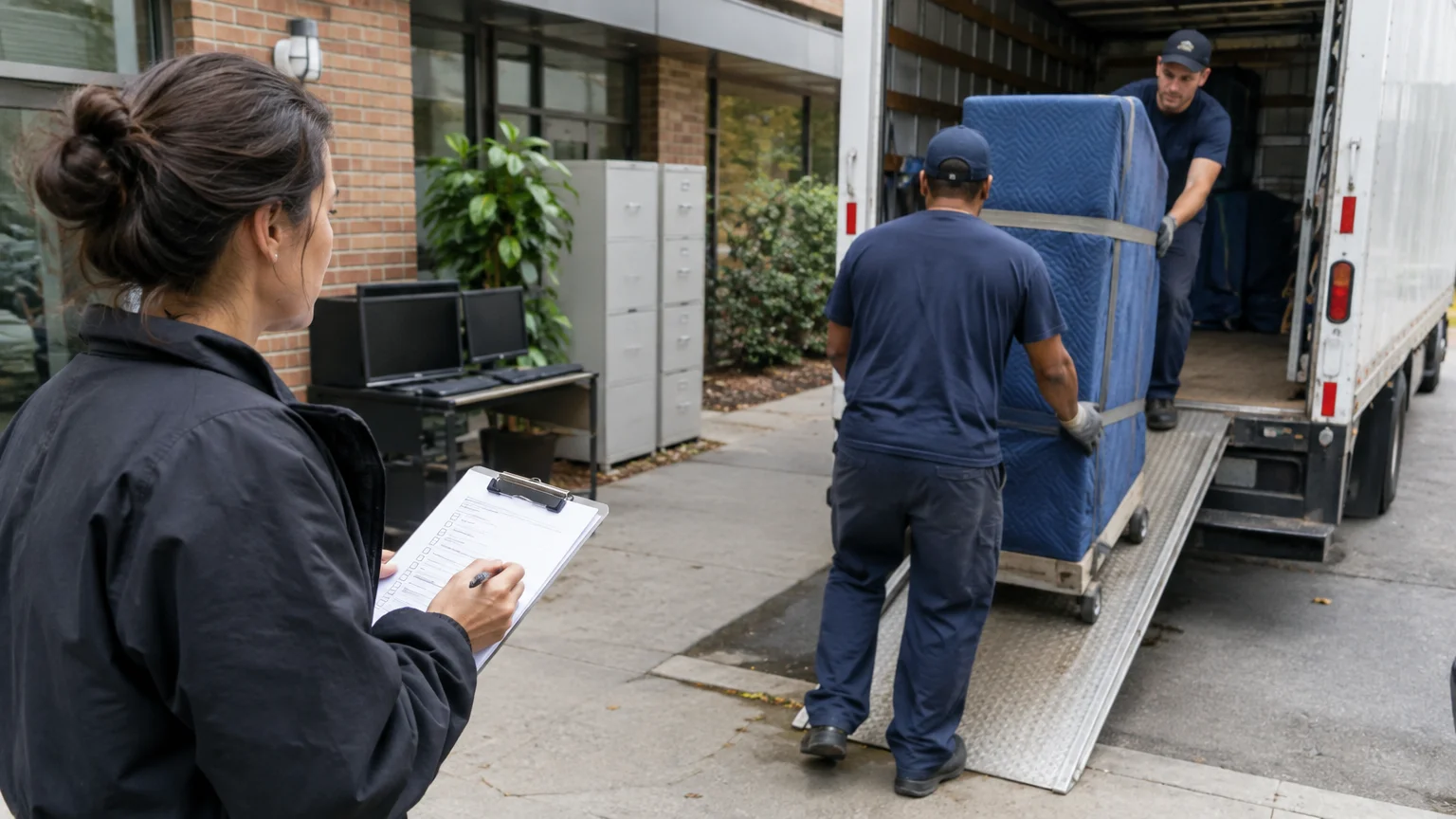
- What should you ask a moving company before hiring it?
- What licensing and insurance should you check?
- Is the mover a carrier, broker, or both?
- How does the moving company prepare an accurate estimate?
- What does the moving quote include and exclude?
- What protection applies if belongings are damaged or lost?
- How will the mover protect furniture and fragile items?
- Who will handle the move and how will scheduling work?
- What warning signs should make you reconsider a mover?
- What should you confirm before signing and paying a deposit?
- Key Takeaways
- Frequently Asked Questions
- Conclusion
What should you ask a moving company before hiring it?
The first questions should reveal the mover’s experience, services, and work plan. Ask how it handles packing, loading, transport, furniture care, and delivery. Also ask what happens if plans change or an item arrives damaged.
Wilmington Movers can help Wilmington customers review moving options for their needs. These may include Residential Movers, Local Movers, Loading & Unloading Help, or Long Distance Movers. The right choice depends on home size, travel distance, packing needs, access, and timing.
How the right questions reveal experience, fit, and risk
A mover’s answer matters, but the details matter more. If a company says it protects furniture, ask how it does so. The answer may include pads, stretch wrap, corner guards, floor covers, and safe lifting methods.
Ask who will pack fragile goods, drive the truck, and unload it. Tenants should ask about stairs, elevators, parking, and building rules. Business owners should ask how the crew will protect desks, files, equipment, and shared areas.
Which answers should be documented before you proceed
Important answers should appear in the estimate, service agreement, inventory, or another written record. This includes the pickup plan, delivery window, services, protection choice, exclusions, and contact process. Written details make it easier to compare movers.
Make a short moving checklist for special items, access limits, packing tasks, storage needs, and handling instructions. Wilmington Movers encourages Wilmington customers to review the full plan before moving day. Do not rely on a quick phone promise alone.
Is the moving company properly licensed and insured?
A mover should explain which licenses and insurance apply to your move. Local and interstate moves may follow different rules. Ask which agency oversees the work, and request proof that matches the company name on your paperwork.
A license shows that a company meets certain legal rules. Insurance helps cover certain risks under its policy. Neither means every item or every kind of damage is covered, so read the documents closely.
How to verify registration and operating authority
For an interstate move, customers can check the mover through the Federal Motor Carrier Safety Administration’s mover resources. The company name, contact details, and operating information should match the official record and the estimate.
A move within one state may follow state rules. Ask which agency handles mover registration and how to check the company’s status. A trustworthy mover should answer basic legal questions without becoming defensive.
What insurance information a legitimate mover should provide
Ask what coverage the company carries and what protection choices apply to your goods. Ask about limits, exclusions, claim steps, and records needed after damage. Also ask whether subcontractors have their own coverage.
The word “insured” does not explain the full claim process. Ask who handles claims, when you must report damage, and whether photos or an inventory are needed. The mover should explain this before the crew arrives.
Is the mover a carrier, broker, or both?
A carrier performs the move with its own crew, truck, or managed equipment. A broker arranges moving work through another company. Some businesses act as both, based on the move and location.
This difference matters because the person giving the estimate may not pack, load, drive, or deliver your goods. Ask which company will do each part. Also ask whose agreement, license, protection plan, and claim process apply.
How brokers and carriers handle your move differently
A broker may match you with a carrier. This can help when a move has unusual timing, distance, or service needs. Still, ask for the carrier’s name before signing, not only the broker’s name.
A carrier manages the physical move. It should explain the crew, vehicle, equipment, route, pickup plan, and delivery process. If a broker is involved, request these same details for the assigned carrier.
What to confirm about the company that will perform the work
Ask for the legal name of the company that will arrive. Confirm who issues the final paperwork and handles a claim. Ask whether the crew members are employees or subcontractors, and whether the company reviewed the full inventory.
Be cautious if a company avoids naming the carrier. Also question paperwork that changes the business name without an explanation. Wilmington Movers can help Wilmington residents understand which service fits the work, but always review the performing company’s documents.
How does the moving company prepare an accurate estimate?
An accurate moving estimate starts with a detailed review. The mover should ask about rooms, furniture, boxes, fragile items, access, stairs, elevators, parking, packing, storage, and travel distance. A quick guess may miss important work.
A moving estimate is a written description of expected services and charges. The final cost depends on the agreed work, move details, access, timing, and other terms. Ask how the company records changes before moving day.
Why an in-home or detailed virtual survey matters
An in-home survey lets the mover see your goods and access points. A detailed video survey can also help when you show every room, closet, garage, shed, attic, and storage area. Do not hide items or assume small goods do not matter.
The survey should include furniture, appliances, boxes, artwork, outdoor goods, exercise equipment, and special pieces. It should also show narrow halls, long walks, steep stairs, loading areas, and building rules. These details help the mover plan labor and equipment.
Which inventory details can change the final quote
A change in inventory can change the work plan and final quote. Extra furniture, boxes, fragile goods, long carries, stairs, elevators, limited parking, and special handling may need more labor or equipment. Ask how changes are recorded.
Moving day is not the time to learn that a truck cannot reach the building. Confirm where it can park and how goods will reach it. Business owners should list computers, filing cabinets, displays, and other items needing careful handling.
What does the moving quote include and exclude?
A moving quote should state what you receive and what remains your duty. It should cover packing, loading, wrapping, transport, unloading, unpacking, furniture setup, and debris removal only when those services are included. Never assume a task is part of the plan.
The quote should explain supplies, access limits, waiting time, storage, stairs, elevators, long carries, special items, and inventory changes. A clear scope helps you compare movers with different service levels.
Services, supplies, access conditions, and additional charges to review
Ask whether the crew supplies boxes, wrap, pads, tape, wardrobe cartons, floor covers, and other materials. Ask who packs dishes, glassware, artwork, and electronics. Also ask who handles items the mover will not transport.
Access needs close review. A narrow drive, apartment elevator, gated entrance, long hall, or small loading area may change the plan. Share building rules and confirm who will contact the property manager.
How to compare quotes that use different scopes of work
The lowest written quote may not be the best comparison if it leaves out key tasks. Place each mover’s services beside the same checklist. Include packing, materials, furniture protection, loading, transport, unloading, unpacking, and special handling.
Compare protection terms and the process for changes, too. One mover may include more planning or labor than another. The goal is to compare the complete job, not just the first number shown.
What protection applies if belongings are damaged or lost?
Ask exactly what protection applies to your goods. Moving protection may involve valuation coverage offered by the mover. Insurance is a separate product, and its rules may differ.
Valuation coverage describes the mover’s duty under the moving agreement. It may not cover every loss or the full value of every item. Read the paperwork and ask questions before signing.
The difference between valuation coverage and insurance
A mover’s valuation option is tied to the moving contract. Insurance may come from a separate insurer and follow different rules. Ask whether the mover offers valuation choices and which document controls a claim.
Ask whether customer-packed boxes have different protection terms. Clear labels, photos, receipts, and an item list can help support a claim. Keep records for valuable furniture and fragile goods.
How claims, exclusions, deductibles, and documentation work
Ask how soon damage must be reported and how to submit a claim. Ask whether you must keep damaged items, provide photos, show receipts, or complete a delivery inventory. The answer should be written in the moving documents.
Before the crew arrives, photograph valuable furniture and fragile goods. Note existing marks and keep key records separate. Do not sign a clean delivery record if you see damage.
How will the mover protect furniture and fragile items?
A careful mover should explain how it protects goods from scratches, falls, dirt, and shifting. The plan may include pads, stretch wrap, corner guards, floor covers, straps, carts, and strong boxes. The method should fit the item and the building.
You do not need a professional for every packing task. You can pack clothes, books, linens, and sturdy goods yourself. Use strong boxes, keep them light enough to lift, and label each one. Fragile or valuable goods may need skilled packing.
Packing methods and materials to ask about
Ask how the crew packs dishes, bowls, mirrors, artwork, lamps, televisions, and electronics. Dishes should stand on edge with padding between pieces. Bowls need support around their curved sides.
Ask whether the mover labels fragile boxes and records special items. Also ask how furniture will be taken apart. Small hardware should go in a labeled bag and stay with the correct item.
Loading, wrapping, labeling, and handling procedures
The crew should protect floors, walls, doors, and stair rails when needed. Furniture should be wrapped before moving through tight spaces. The truck should be loaded so goods stay stable and heavy items do not crush lighter ones.
Labels help the crew place boxes in the right room. Label boxes by room and handling need. Keep medicine, documents, keys, basic clothing, and other essentials with you. A moving checklist for those items can prevent trouble.
Who will handle the move and how will scheduling work?
Ask who will arrive, what equipment they will bring, and how the company will share updates. The answer should cover the crew, truck, loading plan, pickup window, delivery expectations, and contact person.
Schedules can change because of weather, traffic, building rules, vehicle trouble, or an earlier job. A good mover explains how it shares updates and what you should do if plans change.
Crew experience, subcontractors, vehicles, and equipment
Ask whether the crew has handled similar homes, offices, stairs, heavy furniture, fragile goods, or long-distance work. Ask whether subcontractors may do the work and who supervises them. Business owners should ask about computers, workstations, files, and sensitive goods.
Ask what equipment will arrive. Dollies, ramps, pads, straps, wardrobe boxes, and floor protection can make the move safer. Proper tools also reduce unsafe lifting.
Pickup windows, delivery expectations, and communication plans
Ask how the pickup window works and when the crew will confirm arrival. Ask how delivery timing is set, especially for a long-distance move. The written plan should explain who gives updates and handles urgent issues.
Apartment and office customers should reserve elevators and loading areas early. Give the mover correct access details. Wilmington Movers serves the main Wilmington area, including Sunset Park, Forest Hills, Leland, Wrightsville Beach, Carolina Beach, Navassa, and nearby communities. Each building may have its own rules, so early planning helps avoid delays.
What warning signs should make you reconsider a mover?
Warning signs include vague paperwork, unclear business names, pressure to decide, missing license details, poor communication, and promises that sound too good. One complaint does not prove a company is poor, but repeated patterns deserve review.
Look for clear answers rather than perfect marketing. A company that explains limits and risks may be more trustworthy than one that promises everything without details.
Red flags in reviews, paperwork, estimates, and communication

Be careful when reviews mention damaged goods, surprise changes, missed delivery plans, or poor claim help. Check whether the company answers concerns with useful facts. Watch for documents that omit the carrier, inventory, protection terms, or service details.
Another concern is a mover that refuses a survey but gives a firm estimate. A mover that will not explain packing duties or access limits may cause confusion later.
How to respond when a mover pressures you to decide
You do not need to accept a rushed decision. Ask for the estimate and agreement in writing. Compare the work scope and protection terms, then ask what changes if you need more time.
Pressure can hide missing information. If a mover says you must sign at once without a clear reason, pause. A calm, complete process is a better sign than urgency.
What should you confirm before signing and paying a deposit?
Before signing, confirm the legal business name, performing carrier, services, inventory, schedule, protection terms, exclusions, change process, and claim steps. Understand the deposit terms and what happens if either side changes the plan.
The final document should match the conversation. If an important promise appears only in a text or call, ask for it in the agreement. Do not sign blank pages or paperwork with missing business details.
A final document checklist for homeowners, tenants, and businesses
Before moving day, review the following:
- The mover’s legal name, license information, and insurance details.
- The full inventory, including fragile, heavy, valuable, and special items.
- Packing, loading, transport, unloading, unpacking, and debris duties.
- Pickup and delivery locations, access notes, and schedule expectations.
- Protection choices, exclusions, claim steps, and customer duties.
- Deposit, cancellation, change, storage, and signing terms.
Homeowners should plan for pets, children, plants, medicine, and personal records. Tenants should confirm elevator rules, parking, keys, and lease deadlines. Businesses should plan for computers, files, customer data, staff access, and downtime.
Questions to revisit before moving day
Ask whether the inventory has changed, whether the crew and vehicle are confirmed, and whether the building approved the move. Ask where the truck will park and who will call if the crew is delayed. Confirm which items will travel separately.
Keep the agreement, inventory, photos, receipts, keys, and essentials easy to reach. Review the full plan before the day of moving so small issues do not become larger ones.
Key Takeaways
- Ask about the mover, carrier, license, insurance, and crew before signing.
- Use a detailed inventory and survey for a clearer moving estimate.
- Compare the full work scope, not only the first amount shown.
- Read protection terms, exclusions, claim rules, and customer duties.
- Put the schedule, services, access details, and changes in writing.
Frequently Asked Questions
How can someone choose a moving company?
Compare licensed movers by reviewing services, written estimates, protection terms, reviews, and communication. Confirm who will perform the work. Ask about packing, access, scheduling, and claims. The best choice is the mover whose written plan fits the actual move.
What should be included in a moving estimate?
A moving estimate should explain the inventory, services, access conditions, schedule, supplies, protection choices, exclusions, and change process. It should identify the company doing the move. Ask about any task, item, or charge that is unclear, then request important answers in writing.
What is a moving broker?
A moving broker arranges moving work through another company. The broker may not pack, load, drive, or deliver your goods. Ask for the carrier’s legal name, license details, protection terms, agreement, and claim process before accepting the arrangement.
How should dishes and bowls be packed for moving?
Wrap dishes, place them on edge, and separate them with padding. Add padding inside and around bowls. Use strong boxes that stay light enough to lift safely. Fill empty spaces so goods cannot shift, and mark fragile boxes clearly.
What should someone expect on moving day?
The crew should review the plan, protect the route, load goods safely, and confirm changes. Keep essentials with you, note existing damage, and check the inventory. Have keys, documents, medicine, and building access information ready.
Conclusion
The right questions help you understand how a mover works before the truck arrives. Licensing, insurance, carrier details, estimates, protection, packing, scheduling, and written terms all deserve review.
A careful comparison can reduce confusion for homeowners, tenants, and business owners. Wilmington Movers can help customers consider options that match their home, office, timeline, and handling needs.
Find out more about our local movers in Wilmington. Contact us to discuss your moving needs with Wilmington Movers and review the right plan for your move.